
You don’t notice language barriers until things start to go wrong. A deal that was almost done falls apart all of a sudden. A customer leaves feeling confused. A simple email leads to a lot of confusion.
And in the middle of it all, everyone thinks they are being clear. The uncomfortable truth is that most communication doesn’t break down because people aren’t smart enough; it breaks down because they don’t speak the same language, either literally or culturally.
Even though we live in a “globally connected” world, we still lose chances, friends, and trust over small things like a phrase that was translated incorrectly or a tone that was misunderstood. And the worst part is?
These mistakes are often hard to see until the damage is done. It’s not just about words and grammar. It’s about the situation, the intent, the feelings, and how easy it is for all of that to get lost in translation.
Let’s look at 10 shocking ways language barriers in communication are quietly ruining communication, and why you might be paying more than you think if you don’t pay attention to them.
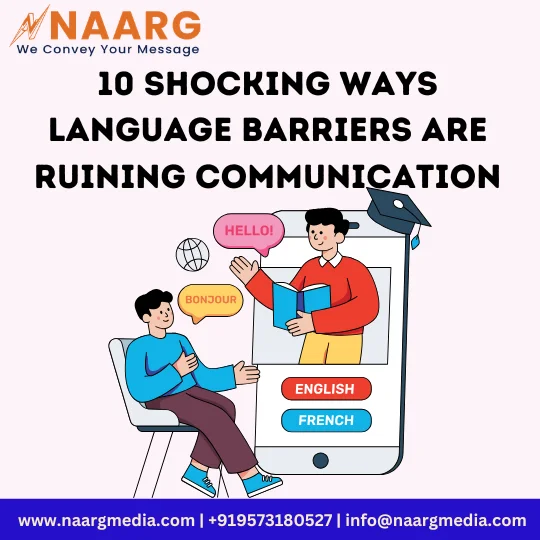
What Are Language Barriers?
Language barriers are more than just “not knowing the same words.” They are the gaps that people can’t see that change the meaning, tone, and intent of what they are trying to say. It’s that time when a message sounds right in your head but comes out wrong on the other end, or when cultural context gets lost in translation and interpretation.
And this isn’t a small problem; it’s happening all over the world. Less than 20% of the world’s people speak English well, even though it is the main language used in business around the world.
This means that most conversations are happening with some level of misunderstanding. As soon as you add to that the fact that only about 16.5% of people speak English at all, you start to see the real problem: most of the world is trying to connect across a language barrier.
So, language barriers aren’t just about words; they’re also about missed chances, misread feelings, and messages that don’t quite get across the way they were meant to.
Why Language Barriers Matter More Than Ever
Language barriers are more important than ever because we talk to people from other countries more than ever. Teams are spread out, customers are from all over the world, and a single message can go from one country to another in seconds.
But clarity doesn’t travel as easily. What used to be a misunderstanding in one place is now a mistake that can hurt a brand’s reputation, customer trust, and even sales all over the world. It’s not just about translating words; it’s also about making sure that meaning, tone, and cultural differences stay the same.
In a world where businesses are growing quickly and people are talking to each other in real time, even a small mistake in understanding can have big effects. And that’s why language barriers are no longer just a small problem; they’re a big communication risk that no one can afford to ignore.
10 Shocking Ways Language Barriers Are Ruining Communication
1. Misreading of Intent
In one language, a sentence that sounds polite or neutral may sound rude, vague, or too direct in another. This difference between what someone means and what someone sees often causes problems, especially at work, where tone is just as important as content.
2. Missed chances to make money
Potential customers are hesitant when proposals, pitches, or product details aren’t clear. Even small things that aren’t clear can make people doubt, and in competitive markets, confusion is often enough to make someone choose a clearer option.
3. Customers Getting Angry and Leaving
Users get frustrated quickly if they can’t understand instructions, product descriptions, or support responses. Most people won’t ask for more information; they’ll just leave, and they won’t always say what went wrong.
4. Brand Reputation Hurt
Even a strong brand can look careless if its website is poorly translated or its message is awkwardly worded. Customers often think that unclear communication means that the person isn’t professional or trustworthy.
5. Unsuccessful marketing campaigns
Emotion, humour, and cultural relevance are very important to marketing. When campaigns are translated directly without localisation, they may lose their impact or, worse, offend or confuse the people they are trying to reach.
6. Miscommunication at work
When working in global teams, unclear instructions, missed deadlines, or vague feedback can cause mistakes and inefficiencies to happen over and over again. Over time, this slows down work and causes unnecessary stress among team members.
7. Misunderstandings Between Cultures
Language has cultural subtleties; idioms, expressions, and even silence convey meaning. If you don’t pick up on these cues, your messages might come across as rude or inappropriate, even if that wasn’t your intention.
8. Less Employee Engagement
Employees tend to pull back when they don’t fully understand what is being said or are unsure of how to say what they want to say. This makes people less likely to participate, share ideas, and have a general drop in confidence.
9. Mistakes in Important Information
Being exact is very important in fields like healthcare, legal services, and technical fields. A small mistake in understanding can lead to bad choices, problems with following the rules, or even safety risks.
10. Relationships and trust have gotten weaker
Talking to each other builds trust, but misunderstandings that happen over and over again slowly break it down. Unclear communication makes people feel distant and doubtful over time, whether it’s with a client or with your own team.
These problems might not seem too bad on their own, but when you put them all together, they make things less clear, less efficient, and less trustworthy at every level of communication. Language barriers aren’t just little problems with communication; they’re silent problems that can slow down growth, hurt relationships, and cost you real chances.
In a world where connection is everything, clarity is now a must. Not only do the brands and professionals who really stand out today talk more, but they also talk better, no matter what language, culture, or situation they are in.
It’s not what you say that matters; it’s what people understand. If you’re serious about building meaningful global connections, it’s time to stop letting language be a limitation. Invest in clear, culturally-aware communication.
Because every message you send is an opportunity, and you can’t afford to let it get lost in translation. At Naarg Data Media Services, we help brands go beyond word-for-word translation—we make sure your message actually connects.
From accurate translations to culturally nuanced localization, our team ensures your content resonates with the right audience, in the right way. Don’t let miscommunication cost you opportunities.
Partner with Naarg and turn every message into impact.